
Essential Guide to Privacy and Dignity in Care Homes
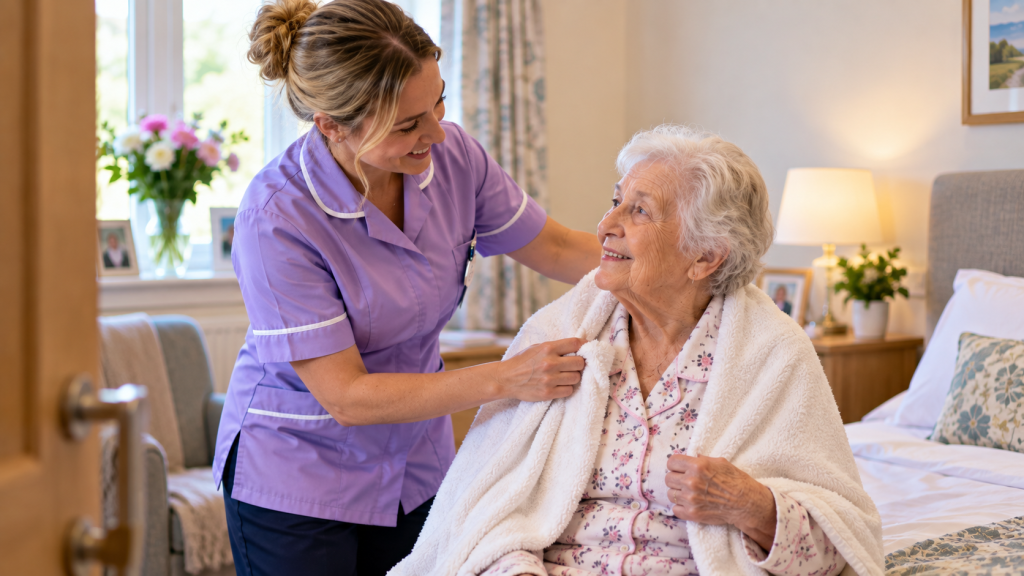
Privacy and dignity are fundamental to good care. In all care settings, people deserve respect and privacy in daily routines and decision-making. People do not lose their right to privacy, independence or personal choice simply because they move into a care home or require assistance with everyday activities. For care workers, protecting dignity is about much more than being polite. It influences how staff enter someone’s room, provide personal care, hold conversations, handle confidential information, support choices and talk about the people they care for. Small actions can have a significant impact. Knocking before entering a bedroom and asking permission before helping someone Knocking before entering a bedroom, asking permission before helping someone, and covering a person’s body appropriately during personal care may seem straightforward. Yet these everyday behaviours can determine whether a person feels respected or powerless. The Care Certificate recognises this importance by dedicating Standard 7 to Privacy and Dignity. CQC Regulation 10 also requires people receiving regulated care to be treated with dignity and respect. So what does good practice actually look like? What Do Privacy and Dignity Mean in Care? Although closely connected, privacy and dignity are not exactly the same. Privacy includes giving people appropriate personal space and protecting their body, belongings, relationships, conversations and personal information. Dignity means recognising the inherent value of every individual and treating them with respect. In practice, dignity means recognising that the person receiving care remains an adult with their own: The Care Certificate describes dignity as focusing on the value of every individual, including respecting their views, choices and decisions and communicating directly with them whenever possible. Dignity Is More Than Being Kind Kindness is extremely important in care, but dignity goes further. A member of staff might speak kindly to a resident while still making all their decisions for them. Another might be friendly while discussing the person’s private medical information where other residents can hear. Someone might provide excellent physical care but never ask the resident how they would like that care delivered. Good intentions therefore do not automatically guarantee dignified care. Dignity requires staff to consider: “How would this person like to be supported?” That principle connects directly with Person-Centred Care. Knock Before Entering A resident’s bedroom should be treated as their personal space. Staff should normally knock and wait appropriately before entering rather than assuming that working in the care home gives them unrestricted access. The Care Certificate specifically identifies getting permission before entering someone’s personal space and knocking before entering their room as examples of maintaining privacy and dignity. Imagine somebody entering your bedroom at home without knocking. Most people would consider it intrusive. The same principle applies in residential care. Protect Privacy During Personal Care Personal care can involve some of the most private moments in a person’s life. This may include: Staff should take reasonable steps to prevent unnecessary exposure. This may involve closing doors, positioning curtains or screens correctly, covering areas of the body that do not need to be exposed and explaining what is happening. CQC specifically requires privacy to be maintained when people wash, bathe, use the toilet and receive care or treatment. Ask Before You Help Needing assistance does not remove someone’s right to be involved. Rather than simply beginning a task, staff should communicate first. For example: “Would you like some help getting your cardigan on?” is very different from silently taking someone’s arm and dressing them. Wherever possible, explain what you intend to do and seek the person’s agreement. Good Communication in Care Homes is therefore closely connected with dignity. Support People to Do What They Can for Themselves Doing everything for somebody may appear caring, but it can sometimes reduce independence. A resident might be able to: They may simply need additional time, encouragement or limited assistance. CQC Regulation 10 explicitly includes supporting people’s autonomy and independence as part of dignity and respect. Good care asks: “What can this person still do?” rather than automatically asking: “What can I do for them?” Respect People’s Choices Dignity includes having meaningful control over everyday life. Depending on the person’s circumstances, choices may include: Care homes have routines, but organisational convenience should not unnecessarily override individual preferences. Use the Person’s Preferred Name Some people prefer their first name. Others prefer Mr, Mrs, Miss, Ms or another form of address. Nicknames should not automatically be used because staff believe they sound friendly. Terms such as “love,” “sweetheart” or “dear” may be welcomed by some people and disliked by others. CQC guidance states that people should be addressed in the way they prefer. The important issue is not what the care worker prefers. It is what the individual prefers. Speak to Adults as Adults Age, dementia, disability or communication difficulties do not make someone a child. Staff should avoid patronising language, childish tones or discussing the person as though they are not present. Even when somebody has significant communication difficulties, staff should continue to acknowledge and involve them appropriately. Respectful communication is a fundamental part of maintaining dignity. Do Not Talk Over People Imagine sitting in a room while two care workers discuss: “She’s been difficult with her tablets again today.” Apart from the obvious confidentiality issue, this reduces the person to a subject of conversation rather than an active participant. Where appropriate, speak with the person rather than about them. This is especially important when relatives, healthcare professionals or other staff are present. Protect Confidentiality Privacy includes information as well as physical space. Care staff may know extremely personal details about residents, including information about: That information should not become casual conversation. The Care Certificate specifically highlights the importance of discussing care where others cannot overhear and protecting information people may wish to keep private. Be Careful Where Conversations Take Place Care homes are busy environments. Corridors, dining rooms, reception areas and communal lounges may seem convenient places to exchange information, but other people can often hear. Staff should consider: Who can hear this conversation? Discussing someone’s