
7 Practical Ways Care Homes Can Help Prevent Dehydration

Maintaining good hydration is an essential part of delivering high-quality care. While dehydration can affect people of all ages, older adults and individuals living in residential and nursing care settings may be at a greater risk due to age, medical conditions, reduced mobility or difficulties with eating and drinking. The good news is that encouraging good hydration doesn’t have to be complicated. Small, consistent actions throughout the day can make a positive difference to residents’ health, wellbeing and quality of life. Here are seven practical ways care homes can help support good hydration every day. 1. Offer Drinks Regularly Throughout the Day Rather than waiting until mealtimes, encourage regular opportunities to drink throughout the day. Offering drinks during activities, after medication rounds and at social gatherings helps make hydration a natural part of everyday life. Remember that some residents may not ask for a drink, so regular encouragement can make a real difference. 2. Provide a Choice of Drinks Everyone has different preferences. Offering a variety of drinks such as water, tea, coffee, milk, fruit juice or sugar-free alternatives (where appropriate) can encourage better fluid intake. Respecting individual preferences and cultural choices is an important part of person-centred care. 3. Create a Positive Drinking Environment People are often more likely to enjoy food and drinks when the environment is calm, welcoming and comfortable. Encouraging residents to enjoy drinks together during activities or social occasions can help make hydration feel less like a task and more like an enjoyable part of the day. 4. Encourage Hydration During and Between Meals Meals provide an excellent opportunity to encourage fluid intake, but hydration should continue throughout the day. Offering drinks between meals helps support regular hydration and provides additional opportunities for residents to enjoy refreshments. 5. Observe for Changes and Report Concerns Care staff are often the first to notice changes in an individual’s usual eating and drinking habits. Reduced interest in drinks, changes in behaviour or other concerns should be reported promptly in accordance with the individual’s care plan and your organisation’s procedures. Good observation and communication help ensure concerns are addressed appropriately. 6. Work Together as One Care Team Supporting hydration is everyone’s responsibility. Care assistants, nurses, catering teams, managers and healthcare professionals all contribute to promoting healthy fluid intake. Good communication between team members helps ensure consistent, person-centred care. 7. Keep Hydration Person-Centred Every resident is unique. Some individuals may enjoy frequent small drinks, while others prefer larger drinks less often. Some may have cultural preferences or require specific support in accordance with their care plan. By respecting personal preferences and encouraging independence wherever appropriate, care teams help create a more positive and enjoyable hydration experience. Good Hydration Supports Good Care Promoting good hydration is about much more than simply offering drinks. It is about supporting health, wellbeing, dignity and quality of life through consistent, person-centred care. By encouraging regular fluid intake, remaining observant and working together as a team, care homes can help create an environment where residents feel supported, comfortable and valued. Free Professional Resource Looking to support your team with hydration awareness? Download our free professional guide: 📄 Preventing Dehydration in Care Settings – A Professional Awareness Guide for Care Staff The guide provides practical awareness to help care staff understand the importance of hydration, recognise possible concerns and promote good everyday hydration practices. Continue Your Professional Development For more in-depth learning, explore our Nutrition & Hydration in Care Settings (CPD Accredited) online training course. Designed for care staff, support workers, healthcare assistants and care home managers, the course helps develop knowledge and confidence in supporting good nutrition and hydration within care settings.
Nutrition and Hydration in Care Homes: Essential Training for Staff
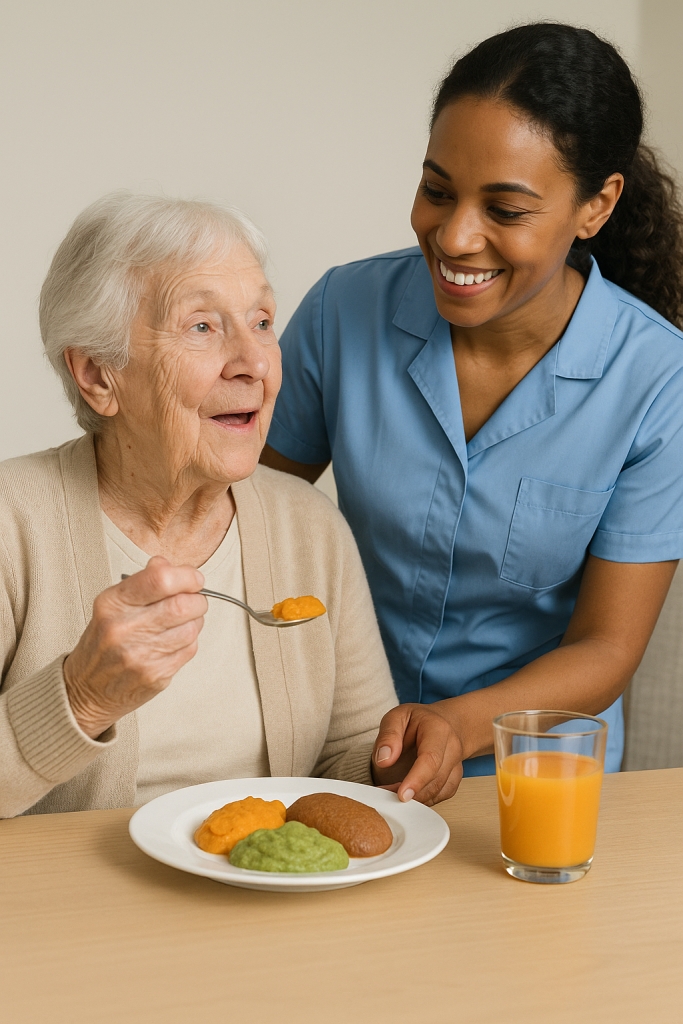
Nutrition and hydration play a vital role in maintaining the health, wellbeing and quality of life of care home residents. Poor nutrition or dehydration can lead to serious health complications, including weight loss, infections and hospital admissions. In this guide, we explore why nutrition and hydration are so important in care settings and how proper training supports safe, person-centred care. Why Nutrition and Hydration Matter in Care Homes Many residents in care homes are at increased risk of malnutrition and dehydration due to age, illness or reduced appetite. Good nutrition and hydration help to: Signs of Malnutrition and Dehydration Care staff must be able to recognise early warning signs, including: Early identification allows for timely intervention and improved outcomes. Supporting Residents with Eating and Drinking Providing support with meals and fluids is essential in care environments. This includes: Person-centred care is key to ensuring residents receive adequate nutrition and hydration. Accurate monitoring helps ensure residents are receiving enough nutrition and fluids. Care homes should: This helps maintain compliance with care standards and improves resident outcomes. The Role of Training in Nutritional Care Training ensures staff understand how to support residents safely and effectively. Proper training helps staff: To support safe and effective care, structured training is essential.👉 Start your Nutrition & Hydration training course here Supporting Care Homes with Online Training FlexiLearnHub provides flexible online training designed for care staff and catering teams. Our Nutrition and Hydration course helps staff: Conclusion Nutrition and hydration are fundamental to safe and effective care. With proper training and awareness, care teams can significantly improve the health and wellbeing of residents. Residents with swallowing difficulties may require modified diets.👉 Learn more about the IDDSI framework in care homes Safe food preparation is essential when supporting nutritional care.👉 Read our food safety guide Start Your Training Today If your team requires nutrition and hydration training, FlexiLearnHub offers accessible online courses designed for real care environments. ✔ Flexible online learning✔ Practical and easy to follow✔ Certificate provided on completion 👉 Start your Nutrition & Hydration training today If you require experienced chefs to support your care home or catering operation:👉 Visit ASL Catering Agency for chef recruitment and cover Related Training Guides