
Dysphagia in Care Homes: 10 Common Mistakes Staff Must Avoid
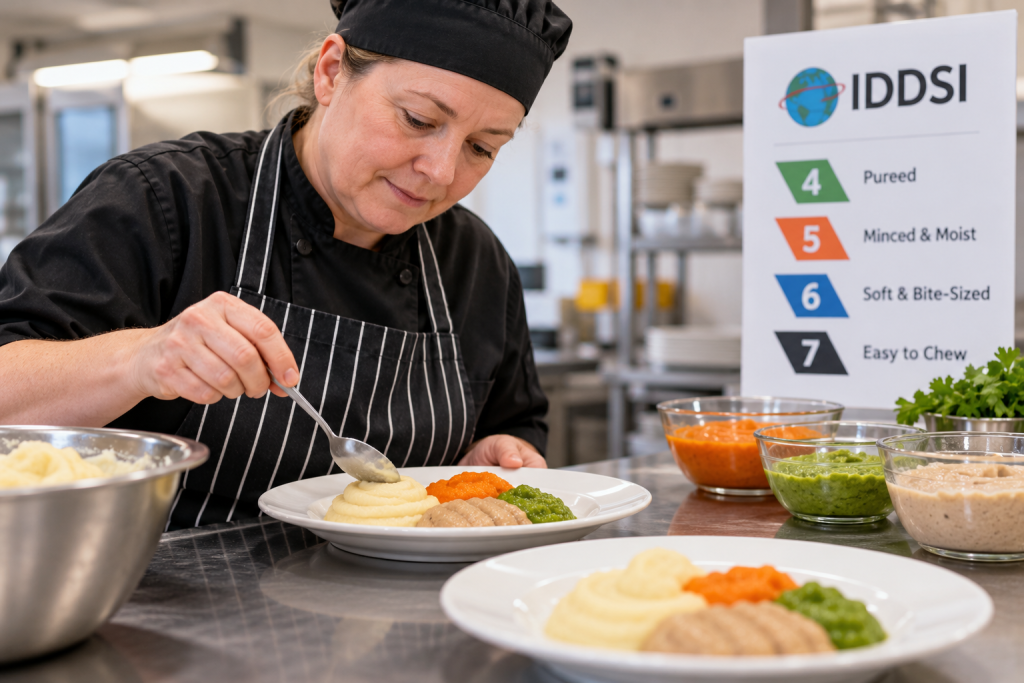
Dysphagia in care homes is an important consideration for staff responsible for supporting residents with eating, drinking, nutrition and hydration. When swallowing difficulties are not recognised or managed appropriately, residents may face increased risks of choking, aspiration, dehydration, malnutrition and respiratory complications. For care home managers, nurses, care assistants and catering teams, understanding dysphagia is an essential part of delivering safe, person-centred care. However, mistakes can occur even in settings where staff are experienced and committed to providing high-quality support. Problems may arise through poor communication, incorrect food preparation, inconsistent care plans or misunderstandings about the International Dysphagia Diet Standardisation Initiative (IDDSI) Framework. This guide explores 10 common dysphagia mistakes in care homes, explains why they matter and identifies practical steps that organisations can take to reduce avoidable risks. What Is Dysphagia? Dysphagia is the medical term for difficulty swallowing. It can affect a person’s ability to swallow food, drinks, saliva or medication safely and effectively. Swallowing difficulties may occur alongside conditions such as: Not everyone with these conditions will experience dysphagia, and swallowing difficulties can also develop for other reasons. Some residents may cough or choke during meals, while others may experience less obvious symptoms. Importantly, aspiration can sometimes occur without coughing, a phenomenon known as silent aspiration. Dysphagia therefore requires individual assessment, appropriate professional input and consistent implementation of recommended care. 1. Failing to Recognise the Warning Signs of Dysphagia One of the most significant mistakes is assuming that swallowing difficulties will always be obvious. Recognising the early signs of dysphagia in care homes is essential for identifying residents who may need further assessment and support. Residents may develop changes gradually, and early warning signs can be overlooked during busy mealtimes. Possible indicators include: These symptoms do not automatically confirm dysphagia, but they should prompt appropriate assessment. How care homes can reduce the risk Staff should understand the signs that require attention and know how to report concerns promptly. New or worsening swallowing difficulties should be escalated according to the resident’s care plan and local procedures, with referral to an appropriate healthcare professional, often a Speech and Language Therapist (SLT). Key point: Staff should never assume that the absence of coughing means swallowing is safe. 2. Providing the Wrong IDDSI Food Texture The IDDSI Framework provides standardised terminology and testing methods for food textures and drink thicknesses. It helps healthcare professionals, care staff and catering teams communicate more consistently about texture-modified diets. For foods, commonly used IDDSI levels include: Each level has specific characteristics and, where applicable, testing requirements. A common mistake is assuming that food is suitable simply because it looks soft or has been chopped into smaller pieces. For example, IDDSI Level 5 Minced & Moist food must meet defined particle-size and moisture requirements. For adults, food particles should generally be no larger than 4 mm in width. IDDSI Level 6 Soft & Bite-Sized food has different requirements, including adult bite-sized pieces generally no larger than 1.5 cm in their longest dimension, alongside appropriate softness and texture. How care homes can reduce the risk Catering teams should prepare food according to the resident’s documented recommendations and the relevant IDDSI testing methods. Visual appearance alone is not sufficient to establish that a meal meets an IDDSI level. Staff must not independently change a resident’s prescribed food texture because another consistency appears easier to prepare or serve. Key point: Correct IDDSI classification depends on the food’s properties and testing, not simply its appearance. 3. Preparing Thickened Drinks Incorrectly Some residents with dysphagia may be advised to use thickened drinks following an individual swallowing assessment. Managing dysphagia in care homes also requires staff to understand the importance of preparing drinks according to individual clinical recommendations. The IDDSI Framework identifies drink thickness levels from Level 0 (Thin) through to Level 4 (Extremely Thick). A frequent mistake is preparing drinks by estimation rather than following the recommended product instructions and required consistency. Problems may arise when: Thickened drinks are not suitable for every person with dysphagia. Their use requires individual clinical consideration, including potential effects on hydration, comfort and quality of life. How care homes can reduce the risk Where thickened drinks have been recommended, staff should follow the resident’s swallowing-management plan, the specific thickener’s instructions and relevant IDDSI testing guidance. Any concerns about acceptance, hydration or swallowing safety should be reported to the appropriate healthcare professional. Key point: Staff must never introduce, discontinue or alter thickened drinks without appropriate clinical guidance. 4. Poor Communication Between Care and Catering Teams Effective dysphagia management depends on accurate communication. A resident’s swallowing recommendations may be documented correctly in their care plan, but mistakes can occur if the kitchen team does not receive updated information. For example, a resident may have a revised texture recommendation following an SLT assessment. If the change is not communicated to the catering team, an unsuitable meal could be prepared. Other communication failures include: How care homes can reduce the risk Care homes should establish reliable procedures for sharing and confirming dietary requirements. These may include updated kitchen records, clear meal identification, documented handovers and checks before meals are served. Confidential resident information should be shared only with staff who need it to deliver care safely. Key point: A swallowing recommendation is only effective when everyone responsible for implementing it has accurate information. 5. Not Following Individual Swallowing Care Plans Two residents with dysphagia may have very different needs. Effective management of dysphagia in care homes depends on following each resident’s individual swallowing care plan. One person may require a modified food texture, while another may need specific positioning, supervision or swallowing strategies recommended by an SLT. A common mistake is applying a general approach to everyone with dysphagia. For example, staff may assume that all residents with swallowing difficulties should receive pureed meals or thickened drinks. This can result in inappropriate restrictions, reduced food enjoyment or potentially unsafe care. How care homes can reduce the risk Staff should follow each resident’s individual, current swallowing-management plan. Where relevant,
IDDSI Training in Canada: A Practical Guide for Long-Term Care & Foodservice Teams
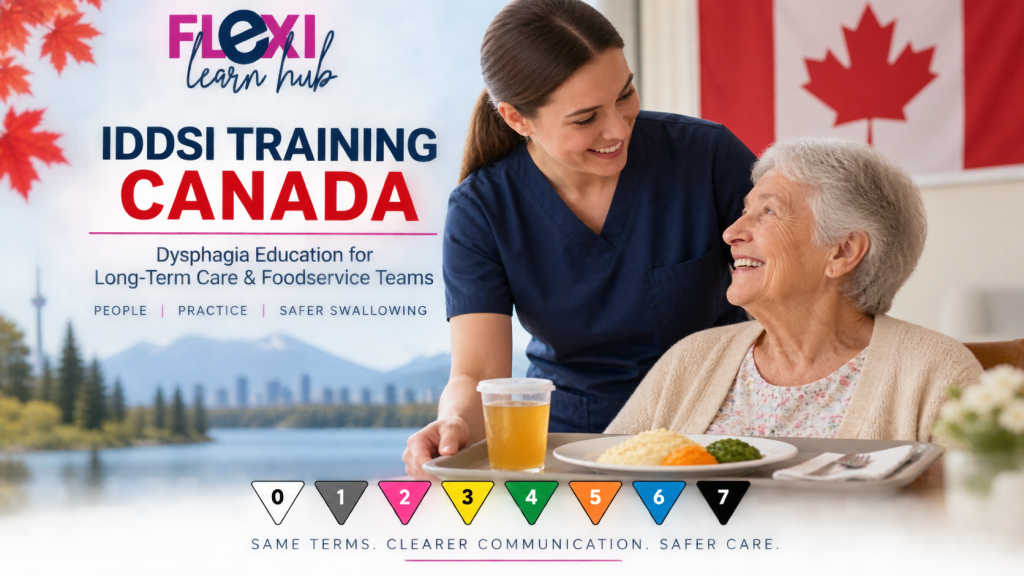
IDDSI Training Canada is increasingly relevant for long-term care, continuing care, dietary and foodservice teams supporting people with swallowing difficulties. Clear communication, consistency and an understanding of each person’s individual eating and drinking recommendations are essential. For staff working in long-term care, continuing care, residential care, dietary services and foodservice across Canada, the International Dysphagia Diet Standardisation Initiative — commonly known as IDDSI — provides standardised terminology for describing texture-modified foods and thickened liquids. But what exactly is IDDSI? How is the framework relevant in Canada? And what should care, dietary and foodservice teams understand when supporting someone with dysphagia? This practical guide introduces dysphagia and the IDDSI Framework, explains the importance of standardised terminology and looks at some of the practical considerations for Canadian long-term care and foodservice teams. Looking for flexible online training? FlexiLearnHub provides online Dysphagia Awareness & IDDSI Framework Training for individual learners and organisations across Canada. Explore IDDSI Training Canada What Is Dysphagia? Dysphagia is the medical term for difficulty swallowing. Swallowing difficulties can affect a person’s ability to manage food, drinks, saliva or medication. The nature and severity of dysphagia can vary considerably between individuals. For some people, an appropriate assessment may result in recommendations concerning food texture, drink thickness or other strategies related to eating and drinking. This is why dysphagia should not be treated simply as a catering issue. Assessment and management require appropriate professional input, while care, dietary and foodservice staff need the knowledge relevant to their own responsibilities. Awareness training can help staff understand terminology, recognise the importance of individual recommendations and appreciate why accurate communication between different members of the team matters. What Is the IDDSI Framework? The International Dysphagia Diet Standardisation Initiative (IDDSI) developed a global framework for describing texture-modified foods and thickened liquids used for people with feeding, chewing or swallowing difficulties. The framework consists of eight levels, numbered 0–7. These cover drinks of different thicknesses and foods with different texture characteristics. The purpose is to provide common terminology and definitions that can be understood across professions and care settings. IDDSI also provides testing methods that help determine whether foods and drinks have the characteristics associated with particular levels. The current official IDDSI Framework and Detailed Level Definitions is Version 2.2, while the current IDDSI Testing Methods is Version 2.0. For the latest documentation, always refer to: Official IDDSI Framework Documents Is IDDSI Used in Canada? Yes. IDDSI has an established history in Canada. The Canadian IDDSI Expert Reference Group reported that IDDSI was launched in Canada in January 2019, with work subsequently undertaken to support Canada-wide implementation. Dietitians of Canada has also publicly supported IDDSI and highlighted the potential benefits of standardised terminology for communication between professionals and facility staff. Importantly, however, IDDSI should not be presented as though the framework itself replaces individual assessment or determines what every person with dysphagia should receive. Dietitians of Canada’s long-term-care work has noted both the potential value of standardisation and the importance of individualising texture modification according to a resident’s needs and changing abilities. That distinction is important. IDDSI provides a common framework for describing food textures and drink thicknesses. The appropriate recommendations for an individual should still arise from appropriate assessment and professional decision-making. Why IDDSI Awareness Matters in Canadian Long-Term Care When considering IDDSI Training Canada, it is important to distinguish between awareness-level education and clinical dysphagia competency. A resident may receive support from several different professionals and departments. Depending upon the individual and setting, these might include: Speech-language pathologists Dietitians Nurses Care and support staff Dietary services Foodservice managers Cooks and kitchen staff Other members of the interdisciplinary team Each role is different, but information about an individual’s eating and drinking requirements may need to move accurately between several members of that team. Dietitians of Canada has identified inconsistent communication of diet orders or food and fluid texture modifications as a potential source of unintended errors in care. Its statement supporting IDDSI recognised the potential of common terminology to improve communication within and across care teams. For long-term-care organisations, this makes staff awareness important. Not everyone needs clinical expertise in dysphagia, but relevant staff should understand the terminology and responsibilities appropriate to their role. Understanding Texture-Modified Foods Some people with dysphagia may have recommendations for foods with particular texture characteristics. The IDDSI Framework includes food descriptions such as Pureed, Minced & Moist, Soft & Bite-Sized and Easy to Chew. These are not simply informal descriptions. Each level has defined characteristics and relevant testing methods. For dietary and foodservice teams, this means a food should not be assumed to meet a required texture merely because it appears soft, has been mashed or has been processed in a blender. Equally, staff should not decide independently that somebody requires a particular IDDSI level simply because that person has dysphagia. The person’s individual assessment, documented recommendations and organisational procedures should guide practice. For more practical information about texture modification, see: What Are Texture-Modified Meals? Texture-Modified Food and Quality of Life Texture modification involves more than achieving a particular physical consistency. Food is also connected with nutrition, enjoyment, choice, culture, dignity and quality of life. This is particularly important in long-term care, where residents may receive most or all of their meals from the organisation providing their care. Canadian long-term-care research and guidance have recognised some of the practical challenges surrounding texture-modified diets, including food production, resident acceptance, nutritional status and satisfaction. That reinforces an important principle: standardisation of terminology should sit alongside individualised and person-centred care. For cooks and foodservice teams, presentation and palatability therefore remain important even when a meal needs to meet particular texture requirements. For those interested specifically in improving Level 4 meal presentation, FlexiLearnHub also provides: Advanced IDDSI Level 4 Purée Presentation Understanding Thickened Liquids The IDDSI Framework also provides standardised terminology for drinks of different thicknesses. Where an individual has a documented recommendation for a particular drink thickness, relevant staff need to understand that requirement and follow the appropriate procedures. Standardised terminology
IDDSI & Dysphagia Training Australia | Practical Aged Care Guide
IDDSI Training Australia can help aged care, disability support, catering and foodservice teams develop a clearer understanding of dysphagia, texture-modified foods and thickened drinks. Supporting people with swallowing difficulties requires clear communication, consistency and an understanding of each person’s individual eating and drinking recommendations. For staff working in aged care, residential aged care, disability support, catering and foodservice across Australia, the International Dysphagia Diet Standardisation Initiative — commonly known as IDDSI — provides a standardised framework for describing texture-modified foods and thickened drinks. But what exactly is IDDSI? How does it relate to Australian aged care? And what should care, support, catering and foodservice teams understand when supporting someone with dysphagia? This practical guide explains the fundamentals of dysphagia and the IDDSI Framework, while also looking at the importance of texture-modified food and drink within Australian care settings. Looking for flexible online training? FlexiLearnHub provides online Dysphagia Awareness & IDDSI Framework Training for individual learners and organisations across Australia. Explore IDDSI Training Australia Online IDDSI & Dysphagia Training Australia What Is Dysphagia? Dysphagia is the medical term for difficulty swallowing. A person with dysphagia may experience difficulty managing food, drinks, saliva or medication. The nature and severity of swallowing difficulties vary considerably between individuals. For some people, changes to food texture or drink thickness may form part of their individual management plan following appropriate professional assessment. Australian Government aged-care training materials recognise dysphagia as an important consideration for care staff and discuss the use of texture modification alongside working with relevant health professionals. The important point for care and foodservice staff is that dysphagia requires individual assessment and appropriate professional input. Awareness training does not replace this clinical process. Instead, it can help relevant staff understand dysphagia terminology, appreciate why individual recommendations matter and recognise their own responsibilities when preparing, serving or supporting food and drink. What Is the IDDSI Framework? The International Dysphagia Diet Standardisation Initiative (IDDSI) developed a global framework for describing the texture of foods and thickness of drinks used for people with feeding, chewing or swallowing difficulties. The framework consists of eight levels, numbered 0–7. These levels cover drinks of different thicknesses and foods with different texture characteristics. The purpose of standardisation is important. Without common terminology, different facilities, professionals or foodservice teams could potentially use different descriptions for similar textures or interpret the same words differently. IDDSI provides standardised names, definitions and testing methods to support clearer communication. As of September 2026, the current IDDSI Framework and Detailed Level Definitions is Version 2.2, while the current IDDSI Testing Methods is Version 2.0. For the latest documentation, always refer to the official IDDSI resources: Official IDDSI Framework Documents Is IDDSI Used in Australia? Yes. IDDSI terminology is well established within Australian dysphagia and texture-modified food practice, and current Australian Government aged-care material directly references the framework. For example, Australian Government guidance for in-home meal requirements states that where providers deliver texture-modified meals, food and fluid levels should be clearly labelled and recommends following the IDDSI Framework when preparing and providing texture-modified foods and thickened fluids. Government guidance concerning aged-care information has also used IDDSI to describe a resident’s food texture and drink thickness. This makes an understanding of IDDSI particularly relevant for organisations and staff who may encounter texture-modified foods or thickened drinks. However, staff should still work according to their role, organisational policies, individual care plans and recommendations from appropriately qualified health professionals. Completing an online awareness course should not be interpreted as independently authorising someone to assess dysphagia or prescribe a particular food texture or drink thickness. Why IDDSI Dysphagia Training Matters in Australian Aged Care IDDSI Training Australia can help relevant aged care, disability support, catering and foodservice staff develop a shared understanding of the terminology used around texture-modified foods and thickened drinks. They contribute to enjoyment, dignity, choice, culture, social interaction and quality of life. This is particularly relevant in residential aged care. Australia’s strengthened Aged Care Quality Standards took effect on 1 November 2025, including a dedicated Standard 6: Food and Nutrition for residential care. Australian Government information emphasises nutritious, appetising and safe food and drink that meet older people’s needs and preferences. The Australian Government also specifically identifies the importance of providing appetising meals for older people requiring texture-modified diets. For somebody with dysphagia, achieving this can require cooperation between different roles. Depending on the person and setting, those involved may include: Speech pathologists Dietitians Nurses Care workers Support workers Chefs and cooks Catering teams Foodservice staff Other health and care professionals Different members of the team have different responsibilities. What they share is the need for accurate communication. Understanding Texture-Modified Foods Some people with dysphagia may have a recommendation for food with particular texture characteristics. The IDDSI Framework includes food descriptions such as Pureed, Minced & Moist, Soft & Bite-Sized and Easy to Chew. These descriptions are more than simply names. Each IDDSI level has specific characteristics and associated testing methods. For staff preparing or serving texture-modified meals, consistency is important. A meal should not simply be assumed to meet a required texture because it looks soft or has been processed in a blender. Likewise, staff should never decide that someone needs a particular IDDSI level merely because they have swallowing difficulties. The appropriate food and drink recommendations should come from the relevant assessment and care process. Care, support and foodservice staff should follow the person’s documented recommendations and their organisation’s procedures. Texture-Modified Food Should Still Be Appetising Texture modification should not mean abandoning the enjoyment or appearance of food. This is an increasingly important theme within Australian aged care. Australian Government food and nutrition initiatives emphasise providing nutritious and appetising meals, including for people requiring texture-modified diets. Government-published examples from Australian aged-care services also demonstrate efforts to make texture-modified meals visually appealing, including separating different components and colours rather than presenting everything together. This is particularly relevant to chefs, cooks and catering teams. A meal may need to meet particular texture requirements, but presentation, flavour, nutrition and
IDDSI Training in the USA: A Practical Guide for Long-Term Care & Foodservice Teams

IDDSI Training USA can help long-term care, skilled nursing, assisted living, dietary and foodservice teams build a clearer understanding of dysphagia, texture-modified foods and thickened liquids. Supporting people with dysphagia requires communication, consistency and a clear understanding of each individual’s eating and drinking recommendations. For staff working in long-term care, skilled nursing, assisted living, dietary services and foodservice, the International Dysphagia Diet Standardisation Initiative — better known as IDDSI — provides a common framework for describing texture-modified foods and thickened liquids. But what exactly is IDDSI? Why is it relevant in the United States? And what should care, dietary and foodservice staff understand about it? This practical guide explains the fundamentals and provides a useful starting point for organisations looking to strengthen staff awareness. Looking for online training? FlexiLearnHub provides flexible online Dysphagia Awareness & IDDSI Framework Training for individual learners and organisations across the United States. Explore IDDSI Training USA What Is Dysphagia? Dysphagia is the medical term used for swallowing difficulties. It can involve problems with different stages of the swallowing process and may affect a person’s ability to manage food, drinks, saliva or medication. Dysphagia can have significant consequences. The American Speech-Language-Hearing Association (ASHA) identifies potential consequences including malnutrition, dehydration, aspiration pneumonia, compromised general health and choking. Eating and drinking difficulties can also affect enjoyment, dignity and social participation. For this reason, dysphagia assessment and management are clinical matters requiring appropriately qualified professionals. Awareness training has a different purpose. For care, dietary and foodservice staff, it can help build an understanding of dysphagia terminology, the importance of individual recommendations, appropriate professional boundaries and the need for consistent communication. What Is the IDDSI Framework? The International Dysphagia Diet Standardisation Initiative (IDDSI) developed an internationally standardised framework for describing texture-modified foods and thickened liquids. The framework consists of eight levels, numbered 0–7, covering drinks and foods of different thicknesses and textures. Rather than organisations using different terms to describe similar food textures or drink thicknesses, IDDSI provides common terminology and detailed definitions that can be understood across different care and healthcare settings. IDDSI also provides testing methods that can help determine whether foods and drinks have the characteristics associated with particular levels. As of September 2026, the current official IDDSI Framework and Detailed Level Definitions is Version 2.2, while the current IDDSI Testing Methods is Version 2.0. For the latest definitions and resources, always refer to the official IDDSI documentation: Official IDDSI Framework Documents Is IDDSI Used in the United States? Yes. IDDSI has substantial professional support in the United States, although an important distinction needs to be made between professional adoption and a universal legal requirement. ASHA states that it supports the IDDSI Framework. The Academy of Nutrition and Dietetics, Association of Nutrition & Foodservice Professionals and ASHA have supported collaborative implementation of IDDSI in the United States since its official US launch in 2019. IDDSI is also the standardised texture-modified diet framework used in the Academy of Nutrition and Dietetics’ Nutrition Care Manual. However, ASHA specifically notes that neither ASHA nor US payors mandate adoption of IDDSI. Some facilities may operate their own protocols. This distinction is important for employers and learners. Completing an IDDSI awareness course should not be presented as automatically making an organisation “US compliant.” Staff should work within their organisation’s policies, procedures, clinical governance arrangements and applicable regulatory requirements. Why IDDSI Training Matters in US Long-Term Care IDDSI Training USA can help relevant long-term care, dietary and foodservice staff develop a shared understanding of the terminology used around texture-modified foods and thickened liquids. Depending on the setting and the individual’s needs, this might involve speech-language pathologists, dietitians, nurses, caregivers, dietary staff, foodservice managers, cooks and other members of the multidisciplinary team. A recommendation made following an appropriate assessment ultimately has to translate into the correct food or drink reaching the correct individual. This makes clear communication and consistent terminology especially important. When different departments understand the terminology being used, there is a stronger foundation for communicating an individual’s documented requirements accurately. IDDSI awareness should therefore not be viewed solely as a kitchen issue or solely as a clinical issue. Different professionals have very different responsibilities and competencies, but relevant staff can benefit from understanding the terminology they encounter in their role. Understanding Texture-Modified Foods Some people with dysphagia may be recommended foods with modified textures following appropriate assessment. The IDDSI Framework includes different food texture levels, including terms such as Pureed, Minced & Moist, Soft & Bite-Sized and Easy to Chew. The important principle for care and foodservice staff is that an individual’s appropriate food texture should not be guessed or selected simply because that person has dysphagia. Individual recommendations depend upon assessment and the person’s particular circumstances. ASHA advises that decisions around diet texture modification should take account of comprehensive assessment findings, evidence, clinical judgement, overall health, preferences and goals. Staff should therefore follow the individual’s current documented recommendations and their organisation’s procedures rather than independently changing a person’s food texture. Understanding Thickened Liquids IDDSI also provides standardised terminology for drinks of different thicknesses. Where an individual has been recommended a particular drink consistency, staff involved in preparing, serving or supporting that person need to understand the documented requirement and follow the appropriate procedures. The distinction is important because informal descriptions such as “a little thicker” or simply “thickened” are open to interpretation. A standardised framework provides much more precise terminology. It is also important not to assume that thickening a drink automatically removes all swallowing risk. ASHA notes that texture-modified foods and thickened liquids may not eliminate the risk of aspiration and associated pneumonia. This reinforces why individual assessment and professional recommendations remain essential. IDDSI Testing Methods One of the practical features of the IDDSI Framework is its testing methodology. Different tests can be used to examine characteristics such as the flow of drinks, food texture, softness and particle size. These methods provide a more objective approach than simply deciding that something “looks about right.” The exact method depends upon
What Are Texture Modified Meals? A Guide for Care & Catering Teams
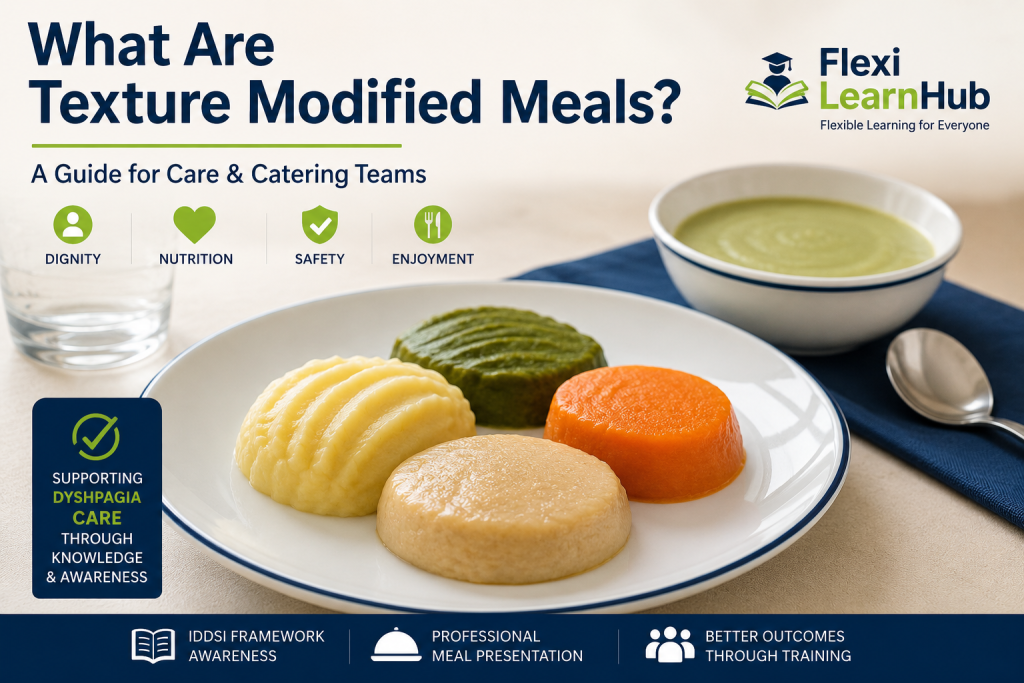
Within healthcare, care homes and specialist catering environments, texture modified meals play an important role in supporting individuals who may require modified food textures as part of their care and support arrangements. As awareness of dysphagia and specialist dietary requirements continues to grow, understanding texture modified meals is becoming increasingly important for care staff, catering teams and healthcare professionals. Understanding Texture Modified Meals Texture modified meals are foods that have been prepared, adapted or modified to achieve a specific texture or consistency. These meals are commonly used within healthcare, aged care and specialist care environments where individuals may require food textures that differ from standard meals. The goal is to provide meals that are suitable for an individual’s assessed needs while still supporting nutrition, hydration and positive mealtime experiences. Why Are Texture Modified Meals Important? Mealtimes are about far more than simply providing food. Within care environments, mealtimes can contribute to wellbeing, dignity, comfort and social interaction. Professional preparation and presentation of texture modified meals can help support: ✔ Positive mealtime experiences ✔ Dignity and respect ✔ Professional catering standards ✔ Visual appeal ✔ Consistency within care catering environments For catering teams, understanding texture modified meals is increasingly recognised as an important part of professional practice. The Role of the IDDSI Framework he International Dysphagia Diet Standardisation Initiative (IDDSI) Framework provides internationally recognised terminology and guidance relating to texture modified foods and drinks. The framework helps support consistency across healthcare, aged care and specialist catering environments. Many organisations now use the IDDSI Framework as part of their workplace awareness and professional development programmes. For a more detailed overview, visit our dedicated: IDDSI & Dysphagia Awareness Training Hub Why Professional Presentation Still Matters One common misconception is that texture modified meals cannot look appealing. In reality, professional meal presentation remains an important part of modern care catering. Thoughtfully presented meals can help support: ✔ Mealtime dignity ✔ Visual appeal ✔ Positive dining experiences ✔ Professional workplace standards ✔ Confidence within catering teams This is one reason why specialist awareness around professional purée presentation and plating is becoming increasingly popular within healthcare catering environments. Specialist IDDSI & Dysphagia Training At FlexiLearnHub, we provide specialist online training designed to support care and catering professionals. Our training includes: Dysphagia Care Training within The IDDSI Framework Designed to help provide awareness and understanding of texture modified meals, dysphagia awareness and the IDDSI Framework. Advanced IDDSI Level 4 Professional Purée Presentation & Plating Focused on professional shaping, plating and presentation awareness for Level 4 texture modified meals. Watch Our IDDSI Awareness Videos Watch our latest YouTube videos exploring: ✔ IDDSI awareness ✔ Texture modified meals ✔ Professional meal presentation ✔ Care catering standards [YouTube Long Video] [YouTube Short] Flexible Online Learning for Care & Catering Teams FlexiLearnHub provides flexible online learning designed for modern care, healthcare and catering environments. Explore our specialist training courses and resources to support professional development and workplace awareness. 👉 Dysphagia Course 👉 Advanced Level 4 Course 👉 Group Training for Employers Thank You!
Why IDDSI Awareness & Professional Meal Presentation Matter in Care Catering
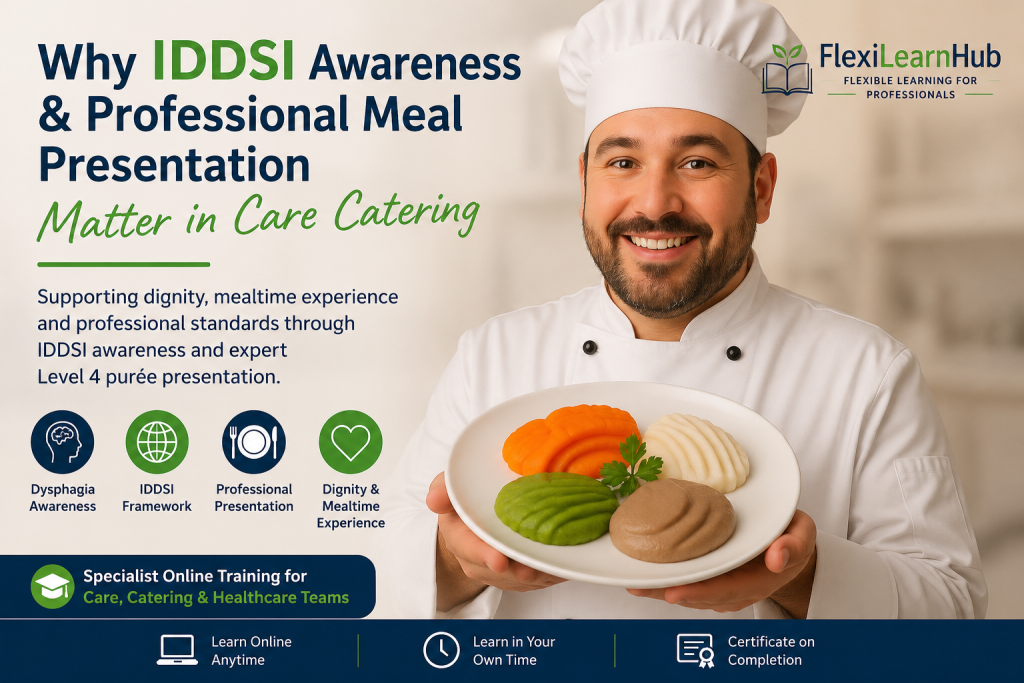
Within healthcare, care homes and specialist catering environments, awareness around dysphagia support and texture modified meals is becoming increasingly important. For many individuals requiring texture modified meals, mealtimes are not simply about nutrition. Mealtime experience, presentation, dignity and professional standards also play an important role within care environments. As awareness of dysphagia support continues to grow internationally, the IDDSI Framework has become an increasingly recognised part of care catering and healthcare foodservice environments worldwide. Understanding the IDDSI Framework The International Dysphagia Diet Standardisation Initiative, commonly known as IDDSI, provides a globally recognised framework designed to support consistency and awareness around texture modified foods and drinks. The framework helps provide standardised terminology and guidance for texture modified meals and drinks used within healthcare, aged care and specialist catering environments. Today, the IDDSI Framework is recognised across many countries worldwide and is increasingly used within care homes, healthcare catering and specialist care environments. Why Presentation Matters in Texture Modified Meals While texture modified meals are an important part of many care catering environments, presentation standards are sometimes overlooked. Meals that appear inconsistent, poorly shaped or visually unappealing may negatively affect the overall mealtime experience. Professional meal presentation can help support: Dignity during mealtimesProfessional catering standardsPositive dining experiencesWorkplace pride within catering teamsImproved visual appeal of texture modified meals Within modern care catering environments, presentation is increasingly recognised as an important part of professional foodservice standards. Supporting Dignity Through Professional Care Catering Care catering is about more than simply preparing food. For many residents and individuals within care environments, mealtimes are an important part of daily wellbeing, comfort and routine. Professional presentation and thoughtful meal preparation can help contribute to a more positive and respectful dining environment. This is one reason why awareness around dysphagia support and specialist meal presentation continues to grow within healthcare and care catering sectors. Training for Care Home Catering Teams At FlexiLearnHub, we provide specialist online training designed for real workplace environments. Our training courses help support awareness and professional understanding across both care and catering sectors. Our specialist IDDSI-related courses include: Dysphagia Care Training within The IDDSI Framework Designed to help provide awareness and understanding of dysphagia support, texture modified meals and the IDDSI Framework within care and healthcare environments. Advanced IDDSI Level 4 Professional Purée Presentation & Plating Focused on professional presentation, shaping and plating awareness for Level 4 texture modified meals within healthcare and specialist catering environments. These courses are suitable for: Care home chefsHealthcare catering teamsCatering managersKitchen assistantsCare staffSpecialist care catering environments Watch Our IDDSI Awareness Video Watch our latest YouTube video exploring the importance of IDDSI awareness and professional meal presentation within care catering environments. Explore our specialist Dysphagia & IDDSI Awareness training courses at FlexiLearnHub. Flexible Online Learning for Care & Catering Teams FlexiLearnHub provides flexible online learning designed to support modern workplaces. Learners can complete training online, in their own time, while building professional awareness and workplace understanding within care, healthcare and catering environments. Explore our online training platform today: IDDSI Dysphagia Awareness Training for Care Homes (CPD Accredited) Advanced IDDSI Level 4 Professional Purée Presentation & Plating Training View Our Courses: Group Training for Employers:
Advanced IDDSI Level 4 Purée Presentation: Improving Dignity and Quality in Care Settings

In care settings, providing safe food for individuals with dysphagia is essential. However, safety alone is not enough. Presentation, dignity and mealtime experience also play a vital role in overall wellbeing. Advanced IDDSI Level 4 purée presentation focuses on transforming texture-modified meals into visually appealing, appetising dishes while maintaining safety and compliance. In this guide, we explain why professional purée presentation matters and how training can improve both safety and quality in care environments. What is IDDSI Level 4? IDDSI Level 4 refers to puréed foods that are smooth, cohesive and require no chewing. These meals must: Why Presentation Matters in Dysphagia Care Texture-modified diets are often perceived as unappealing, which can affect appetite and nutrition. Improved presentation helps: Food should be both safe and visually appealing. The Difference Between Basic and Advanced Purée Preparation Basic purée preparation focuses on safety. Advanced preparation focuses on: This creates a more professional and dignified dining experience. The Role of Training in Professional Purée Presentation Without training, staff may struggle to achieve both safety and presentation standards. Training helps staff: Start your Advanced IDDSI Level 4 training here Supporting Care Catering Teams with Practical Training FlexiLearnHub provides specialist training designed for care catering professionals. Our Advanced IDDSI Level 4 training helps teams: The Impact on Care Homes Improving purée presentation can lead to: Conclusion Advanced purée presentation is about more than appearance. It supports dignity, nutrition and quality of care. With the right training, care teams can deliver meals that are both safe and visually appealing. Start Your Training Today ✔ Practical and easy to follow✔ Designed for care catering environments✔ Certificate provided Start your training today Dysphagia care is closely linked with: IDDSI TrainingNutrition and HydrationFood SafetyCare Home Training Checklist
What is IDDSI and Why Does It Matter in Care Settings?

In care homes and healthcare environments, providing safe and appropriate food for individuals with swallowing difficulties is essential. The IDDSI framework was developed to standardise food textures and drink thickness, helping reduce risk and improve safety. In this guide, we explain what IDDSI is, why it matters, and how training can support compliance and best practice in care settings. What is IDDSI? The International Dysphagia Diet Standardisation Initiative (IDDSI) is a globally recognised framework that standardises texture-modified foods and thickened fluids. It provides a clear system (Levels 0–7) to ensure food and drink are prepared safely for individuals with dysphagia (swallowing difficulties). Why is IDDSI Important in Care Homes? Incorrect food texture can lead to serious risks, including choking and aspiration. Implementing IDDSI ensures: Safer meal preparation Consistency across staff and shifts Improved resident wellbeing Compliance with care standards Understanding IDDSI Levels The IDDSI framework includes: Level 0–3: Drinks (thin to moderately thick) Level 4: Pureed foods Level 5–6: Soft and bite-sized foods Level 7: Regular diet Each level requires specific preparation techniques and testing methods. The Role of Training in IDDSI Compliance Training is essential to ensure staff understand how to prepare, test and serve food correctly. Without proper training, there is a higher risk of: Incorrect food textures Inconsistent preparation Increased safety risks 👉 Start your IDDSI training course here Supporting Care Staff with Practical Training FlexiLearnHub provides flexible online training designed for real care environments. Our IDDSI training helps staff: Understand the framework clearly Apply it in real kitchen settings Improve safety and confidence Meet compliance expectations Conclusion IDDSI plays a vital role in ensuring safe and consistent food preparation in care settings. With proper training and understanding, care teams can deliver meals that support both safety and dignity. Start Your Training Today If you or your team need IDDSI training, FlexiLearnHub provides accessible, practical online courses designed for care and catering professionals. Start your IDDSI training today Explore more training guides: Safeguarding Training Infection Prevention Moving & Handling Dementia Awareness Training for your team?Assign courses, track progress and manage certificates easily. Start your Group Training Today